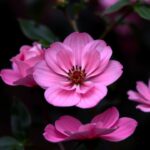
Purple, a color that has intrigued humanity for centuries, actually carries a fascinating backstory and a whole lot of meaning. It’s not just a pretty shade; it’s packed with history, cultural significance, and even a psychological punch. So, if you’ve ever wondered why purple feels so regal or mysterious, you’re in the right place. We’ll delve into all things purple, exploring its rich past and how it influences our world today.
The History and Symbolism of Purple
Purple wasn’t always as accessible as it is now. For a very long time, it was incredibly difficult and costly to produce, making it a color reserved for the elite.
Ancient Origins and Royal Connections
The most famous historical purple is Tyrian purple, derived from a tiny sea snail found in the Mediterranean. Extracting enough dye for even a small amount of fabric required tens of thousands of these mollusks, a process that was both labor-intensive and incredibly smelly. As a result, only royalty, emperors, and high-ranking religious officials could afford to wear it. This exclusivity solidified purple’s association with power, nobility, and wealth. Think Roman emperors draped in deep purple togas, signifying their supreme authority. This connection to royalty isn’t just about expense; it’s about a visual representation of status. If you wore purple, everyone knew you were someone important.
Spiritual and Mystical Symbolism
Beyond earthly power, purple has long held a significant place in spiritual and mystical traditions. In many cultures, its rarity and unique hue lent it an ethereal quality, linking it to the divine and the unknown.
For example, in Christianity, purple is often associated with Advent and Lent, periods of preparation, penance, and spiritual devotion. It represents solemnity and contemplation. In other spiritual practices, purple is linked to the crown chakra, correlating with wisdom, spiritual understanding, and cosmic consciousness. It’s seen as a color that bridges the gap between the mundane and the spiritual, encouraging introspection and a deeper connection to oneself and the universe. This dual nature of earthly power and spiritual enlightenment makes purple a truly multifaceted color. It’s not just about what you can see, but also about what you can feel and believe.
The Psychological Impact of the Color Purple
Colors have a profound, often subconscious, effect on our moods and perceptions. Purple is no exception, eliciting a wide range of psychological responses.
Feelings of Luxury and Sophistication
Because of its arduous history and association with royalty, purple often evokes feelings of luxury, sophistication, and ambition. When we see purple, especially deeper shades, we intrinsically connect it to quality, exclusivity, and something special. This isn’t a conscious thought, but rather a deeply ingrained cultural association. Think of luxury brands that incorporate purple into their branding; they’re tapping into this inherent sense of prestige. It signals that what they offer is high-end,
well-crafted, and worth paying a premium for.
Creativity and Imagination
On the other hand, lighter, softer shades of purple, like lavender or lilac, are often linked to creativity, imagination, and even a touch of whimsy. This connection stems from purple’s position on the color spectrum, blending the fiery energy of red with the calming stability of blue. This unique combination is believed to stimulate both sides of the brain, fostering both logical thought and imaginative leaps. It’s a color that encourages us to think outside the box, to dream, and to embrace originality. Artists, writers, and creative thinkers often find inspiration in purple, precisely because of its ability to open up new perspectives and possibilities. It’s a color that whispers of magic and possibilities, making it a favorite for children’s toys and fantasy themes.
Purple in Different Cultures and Traditions
The meaning of purple isn’t universal; it shifts and evolves across different societies and historical periods. What one culture sees as regal, another might see as something entirely different.
Western Interpretations
In Western cultures, the historical association with royalty and wealth largely persists. Purple is still seen as a color of luxury, power, and prestige. It’s often used in academic regalia to denote high achievement and distinction. Think of academic hoods at graduation ceremonies, where different disciplines are marked by various colors, but purple often signifies theology or law – fields traditionally associated with deep knowledge and authority. However, it also carries a more modern connection to creativity and even counter-culture movements. In certain subcultures, it can symbolize individuality and a rejection of the mainstream.
Eastern Symbolism
Moving eastward, the interpretations of purple take on different nuances. In some Asian cultures, particularly in China, purple is associated with divinity, immortality, and royalty. The Forbidden City in Beijing, for instance, is also known as the “Purple Forbidden City,” referencing the celestial “Purple Star” (Polaris), which was seen as the abode of the Emperor of Heaven. This connection emphasizes purple’s link to imperial power and a heaven-granted mandate to rule. In Japan, purple was historically used by high-ranking officials and Buddhist priests, again marking it as a color of distinction and spiritual significance. The deeper shades were reserved for the highest echelons of society.
Other Global Perspectives
Across other parts of the world, purple’s meaning continues to diversify. In some parts of South America, certain indigenous communities associate purple with mourning or sadness, a stark contrast to its celebratory connotations elsewhere. In other traditions, it can represent transformation, spiritual awakening, or even magic. This global tapestry of meaning highlights how colors are not merely visual stimuli, but rather complex cultural constructs, deeply embedded in our shared histories and beliefs. The same shade can evoke entirely different emotional and intellectual responses depending on where you are in the world.
The Use of Purple in Art and Design
| Aspect | Details |
|---|---|
| Symbolism | Represents royalty, luxury, and spirituality |
| Psychology | Calming and soothing color, often associated with creativity |
| History | Used in ancient civilizations and religious art |
| Design | Popular in interior design for its dramatic and elegant effect |
Artists and designers have long harnessed the power of purple to convey specific emotions, create certain atmospheres, and make bold statements. Its versatility allows it to be both subtle and striking.
Impressionism and Symbolism
In the late 19th century, Impressionist painters like Claude Monet famously challenged traditional color use, often incorporating vibrant purples and violets into their landscapes to capture the fleeting effects of light and atmosphere. Before this, purple was often viewed as a “difficult” color to paint with, but the Impressionists embraced its ability to convey depth and transient beauty.
Symbolist artists also employed purple extensively, using its mystical and spiritual connotations to explore themes of dreams, the subconscious, and the unknown. They understood that purple could evoke a sense of mystery and introspection, inviting viewers to look beyond the literal representation and delve into deeper meanings. It became a powerful tool for conveying complex emotions and abstract ideas.
Modern and Contemporary Applications
In contemporary art and design, purple continues to be a versatile and impactful color. Designers use it to create luxurious interiors, evocative brand identities, and visually engaging digital experiences. In graphic design, a deep royal purple can communicate sophistication and high quality, while a lighter lavender might be chosen for designs that aim to feel whimsical or creative. Architects might incorporate purple lighting to create a dramatic or calming ambiance in a space, playing on its psychological effects. The widespread availability of purple pigments and digital color options means artists and designers today have an unprecedented range of purple shades to work with, allowing for endless creative possibilities.
Purple in Fashion and Interior Design

Beyond art, purple has a significant presence in the worlds of fashion and interior design, influencing trends and dictating aesthetics. It’s a color that can transform a mundane space or outfit into something truly memorable.
Fashion Trends and Statements
For centuries, purple was the ultimate fashion statement of wealth and power. Even today, it retains some of that allure. A rich plum suit or a deep amethyst evening gown still conveys a sense of sophistication and confidence. However, purple has also been embraced by various subcultures and fashion movements to make different kinds of statements. It can be edgy and rebellious, especially when paired with contrasting colors like black or neons. Think of the punk aesthetic, where vibrant purples often made an appearance. Brands use purple to signal luxury in their collections, while designers might use it to add a pop of unexpected color to an otherwise neutral palette. It’s a color that allows for both timeless elegance and bold experimentation.
Creating Ambiance in Interiors
In interior design, purple is a powerful tool for setting a mood. A deep aubergine feature wall can create a dramatic and opulent feel in a living room, suggesting refinement and comfort. In a bedroom, a soft lavender can promote relaxation and a sense of calm, making it an ideal choice for a serene retreat. It can be surprisingly versatile; when used as an accent color in cushions, throws, or artwork, it can add depth and personality without overwhelming the space. Paired with metallics like gold or silver, purple elevates a room to a luxurious level. When combined with natural materials and softer textures, it creates a cozy yet elegant atmosphere. The spectrum of purple allows designers to tailor its impact precisely, from vibrant and energetic to subdued and contemplative.
The Influence of Purple in Marketing and Branding
Companies strategically use color to evoke emotions and communicate their brand identity. Purple, with its rich set of associations, is a powerful choice in marketing and branding.
Branding for Luxury and Uniqueness
Brands aiming for a luxurious, high-end image often lean into purple. Its historical association with royalty and expense instantly conveys quality and exclusivity. Think of certain confectionery brands or beauty products that use deep purples to suggest indulgence and premium ingredients. It signals to consumers that the product is special, perhaps even a bit decadent, and worth investing in. Beyond luxury, purple can also be used to signify uniqueness and originality. Brands that want to stand out from the crowd and challenge conventions might use purple to position themselves as innovative and different. It suggests creativity and a modern approach, appealing to consumers who value individuality.
Targeting Specific Demographics
The psychological impact of purple also allows brands to target specific demographics effectively. For products aimed at women, particularly in the beauty and fashion industries, softer purples like lilac or lavender are often employed to evoke femininity, elegance, and creativity. For children’s products, especially those related to fantasy or magic, a bright, playful purple can spark imagination and wonder. Even in technology, brands might use purples to signify innovation, sophistication, or a futuristic edge, particularly when combined with sleek designs and metallic finishes. The choice of purple is rarely arbitrary; it’s a carefully considered decision designed to resonate with the target audience and leave a lasting impression.
How to Incorporate Purple into Your Life
Ready to bring some purple into your world? It’s easier than you might think, and there are many ways to do it, from subtle touches to bold statements.
Personal Style and Wardrobe
If you’re looking to add purple to your personal style, you don’t have to go head-to-toe immediately. A deep plum scarf or a lavender shirt can be a great starting point, adding a pop of color to a neutral outfit. Jewel tones like amethyst or sapphire purple can be incredibly flattering and add a touch of sophistication to evening wear. For a more casual look, a brightly colored T-shirt or accessories like a handbag or shoes in a unique shade of purple can make a fun statement. Consider your skin tone and hair color when choosing your purples; warmer purples with more red undertones tend to suit warmer complexions, while cooler purples with blue undertones might complement cooler complexions. Don’t be afraid to experiment with different shades and find what makes you feel your best.
Home Decor and Environment
Bringing purple into your home can transform the atmosphere of a room. For a dramatic effect, consider painting an accent wall in a rich aubergine or deep violet. If you prefer something less permanent, introduce purple through textiles: throw pillows, blankets, or curtains in various shades can add warmth and depth. Fresh flowers like lavender, orchids, or hydrangeas instantly add natural beauty and a splash of purple. Artwork featuring purple hues can become a focal point, drawing the eye and adding personality. Even small touches, like purple candles, decorative vases, or books with purple spines, can create a cohesive and thoughtful aesthetic. Remember that purple pairs well with neutrals like grey, cream, and white, as well as metallic accents, allowing for a versatile and elegant look.
Mindful Practices and Reflection
Given its spiritual and calming associations, purple can also be incorporated into your mindful practices. If you meditate, consider using a purple meditation cushion or mat, or having a visual focus point like a purple crystal (such as amethyst) nearby. Wearing purple during personal reflection can also serve as a reminder to connect with your inner wisdom and creativity. Even simply spending time in a room with purple accents can encourage a more contemplative and serene mindset. The color’s ability to bridge the gap between stimulus and introspection makes it a powerful ally in fostering a sense of calm and spiritual connection in your daily life.
FAQs
1. What is the history and symbolism of the color purple?
Purple has been associated with royalty, luxury, and power throughout history. It was a rare and expensive color to produce, so it became a symbol of wealth and status. In some cultures, purple also represents spirituality and enlightenment.
2. What is the psychological impact of the color purple?
Purple is often associated with creativity, imagination, and individuality. It can also have a calming effect and is sometimes used in meditation and mindfulness practices. However, too much purple can evoke feelings of frustration or arrogance.
3. How is the color purple used in different cultures and traditions?
In Western cultures, purple is often associated with royalty and nobility. In some Eastern cultures, purple is a symbol of harmony and spirituality. In certain African cultures, purple is associated with wealth and prosperity.
4. How is the color purple used in art, design, fashion, and interior design?
In art and design, purple is often used to convey a sense of luxury, mystery, and creativity. In fashion, purple is a popular color for evening wear and is often associated with elegance and sophistication. In interior design, purple can be used to create a sense of opulence and drama.
5. What is the influence of purple in marketing and branding, and how can one incorporate purple into their life?
Purple is often used in marketing and branding to convey a sense of luxury, creativity, and originality. To incorporate purple into your life, you can add purple accents to your home decor, incorporate purple clothing and accessories into your wardrobe, or use purple in your creative projects and hobbies.